%2Ffit-in%2F250x250%2Fguide_websites%2F15081%2Fimages%2F1714436165782240521356_108510024882777_2020056934511224397_n-removebg-preview.png&w=1920&q=100)
/users/0c1ffb38-55e5-4c77-983c-5e388d675acb/ratecard/491442803_18277307632268657_847411586397582669_n-mmk85tdw.jpg)
%2F300x300%2Fusers%2F0c1ffb38-55e5-4c77-983c-5e388d675acb%2Fratecard%2F491442803_18277307632268657_847411586397582669_n-mmk85tdw.jpg&w=256&q=75)
%2F300x300%2Fusers%2F0c1ffb38-55e5-4c77-983c-5e388d675acb%2Fimages%2Fsnook-fishing-fl-2465.jpg&w=256&q=75)
%2F300x300%2Fusers%2F0c1ffb38-55e5-4c77-983c-5e388d675acb%2Fimages%2Fsuperb-snook-catch-fort-myers-2508.jpg&w=256&q=75)
%2F300x300%2Fusers%2F0c1ffb38-55e5-4c77-983c-5e388d675acb%2Fimages%2Fsnook-fisherman-fl-2546.jpg&w=256&q=75)
%2F300x300%2Fusers%2F0c1ffb38-55e5-4c77-983c-5e388d675acb%2Fimages%2Fsnook-fish-caught-florida-2598.jpg&w=256&q=75)
%2F300x300%2Fusers%2F0c1ffb38-55e5-4c77-983c-5e388d675acb%2Fimages%2Fangler-fishing-fort-myers-2578.jpg&w=256&q=75)
%2F300x300%2Fusers%2F0c1ffb38-55e5-4c77-983c-5e388d675acb%2Fimages%2Fsnook-fish-fort-myers-2567.jpg&w=256&q=75)
%2F300x300%2Fusers%2F0c1ffb38-55e5-4c77-983c-5e388d675acb%2Fimages%2Fexcellent-catch-snook-redfish-fl-2666.jpg&w=256&q=75)
%2F300x300%2Fusers%2F0c1ffb38-55e5-4c77-983c-5e388d675acb%2Fimages%2Fredfish-caught-fort-myers-2566.jpg&w=256&q=75)
%2F300x300%2Fusers%2F0c1ffb38-55e5-4c77-983c-5e388d675acb%2Fimages%2Fredfish-fishing-frenzy-florida-2689.jpg&w=256&q=75)
%2F300x300%2Fusers%2F0c1ffb38-55e5-4c77-983c-5e388d675acb%2Fimages%2Fredfish-anglers-fort-myers-2590.jpg&w=256&q=75)
Fort Myers Full-Day Beginner Fishing Adventure
 Fort Myers
What you will be catching:
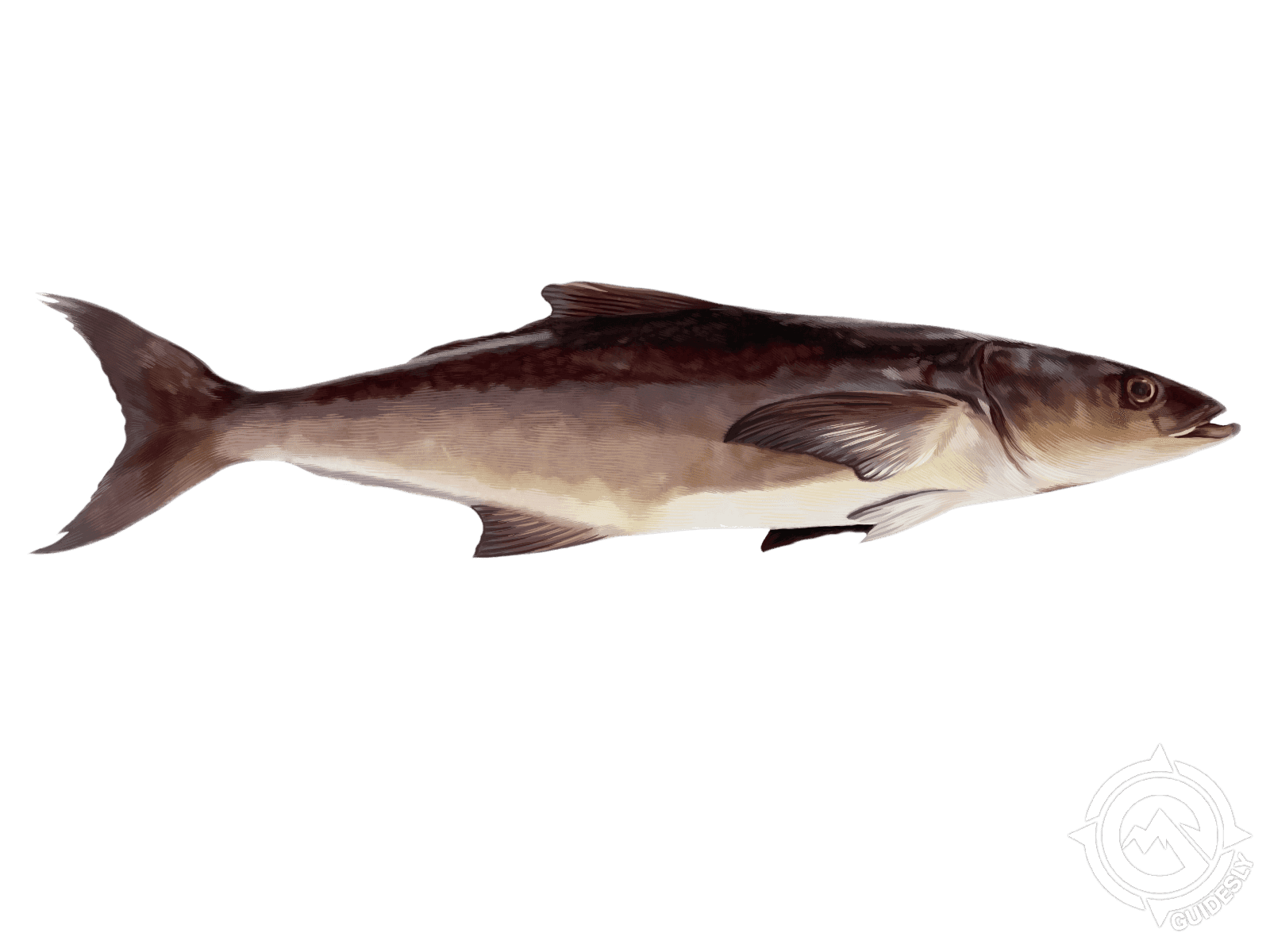
 Cobia
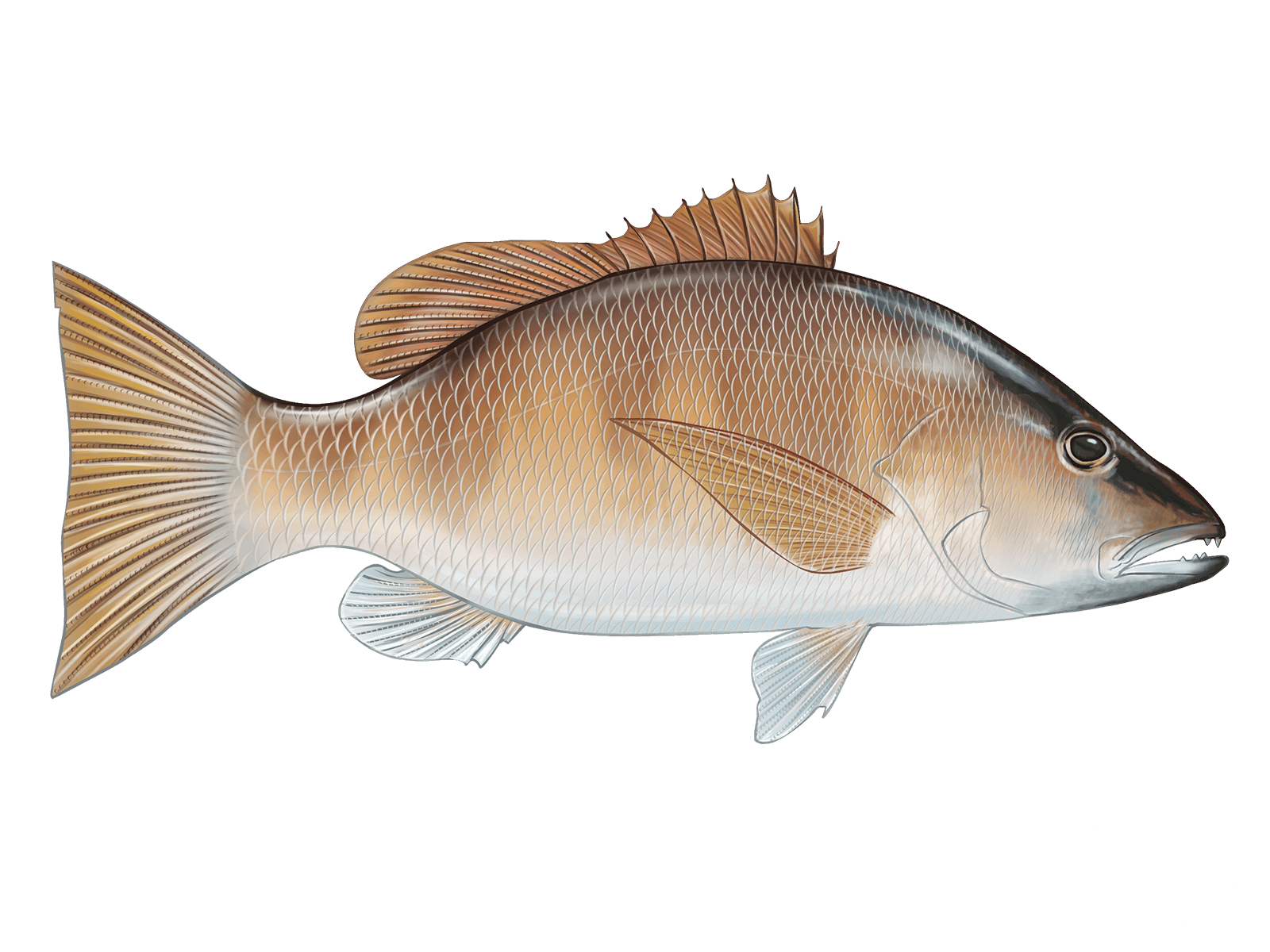
Cobia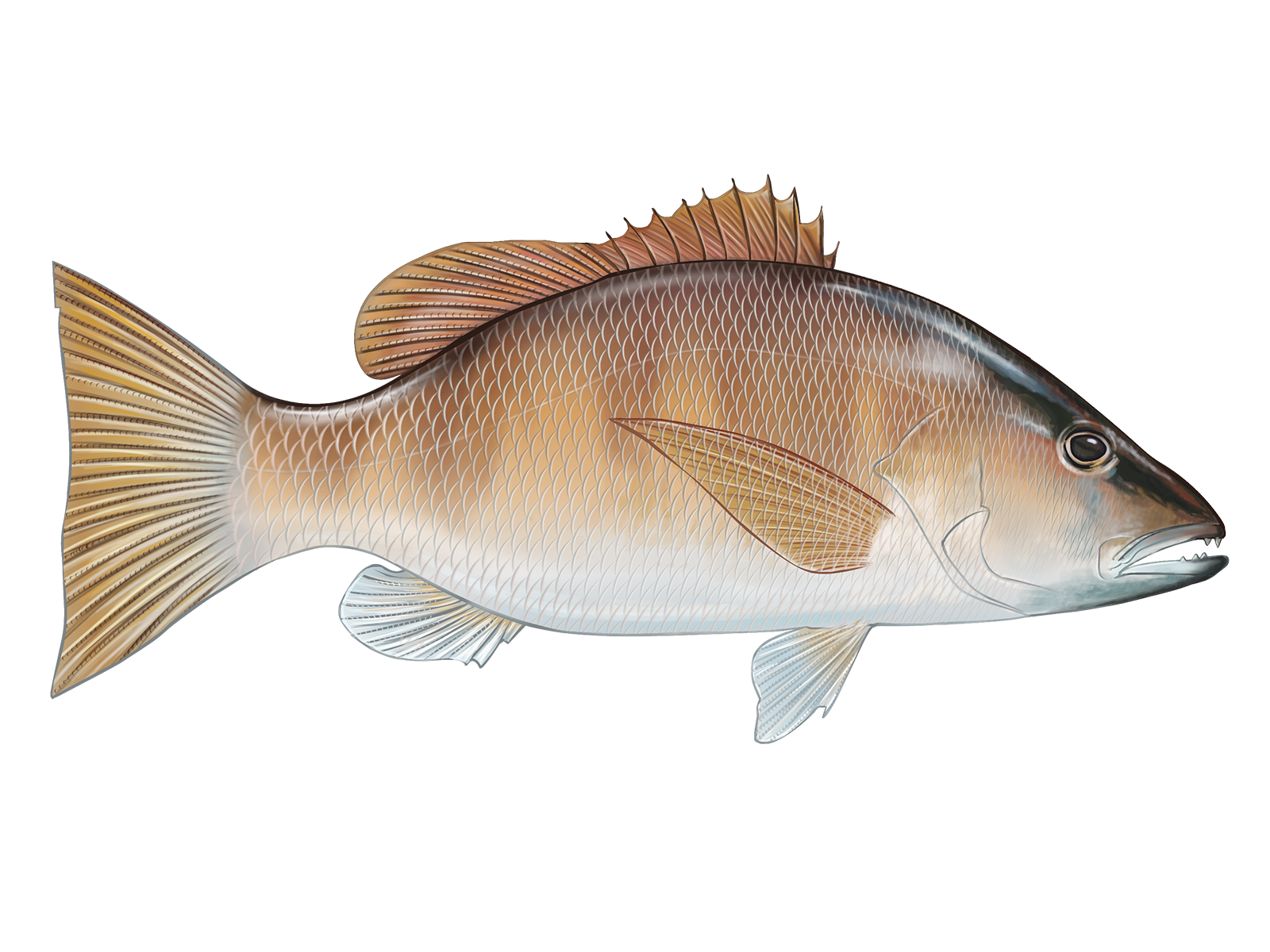 Grey Snapper
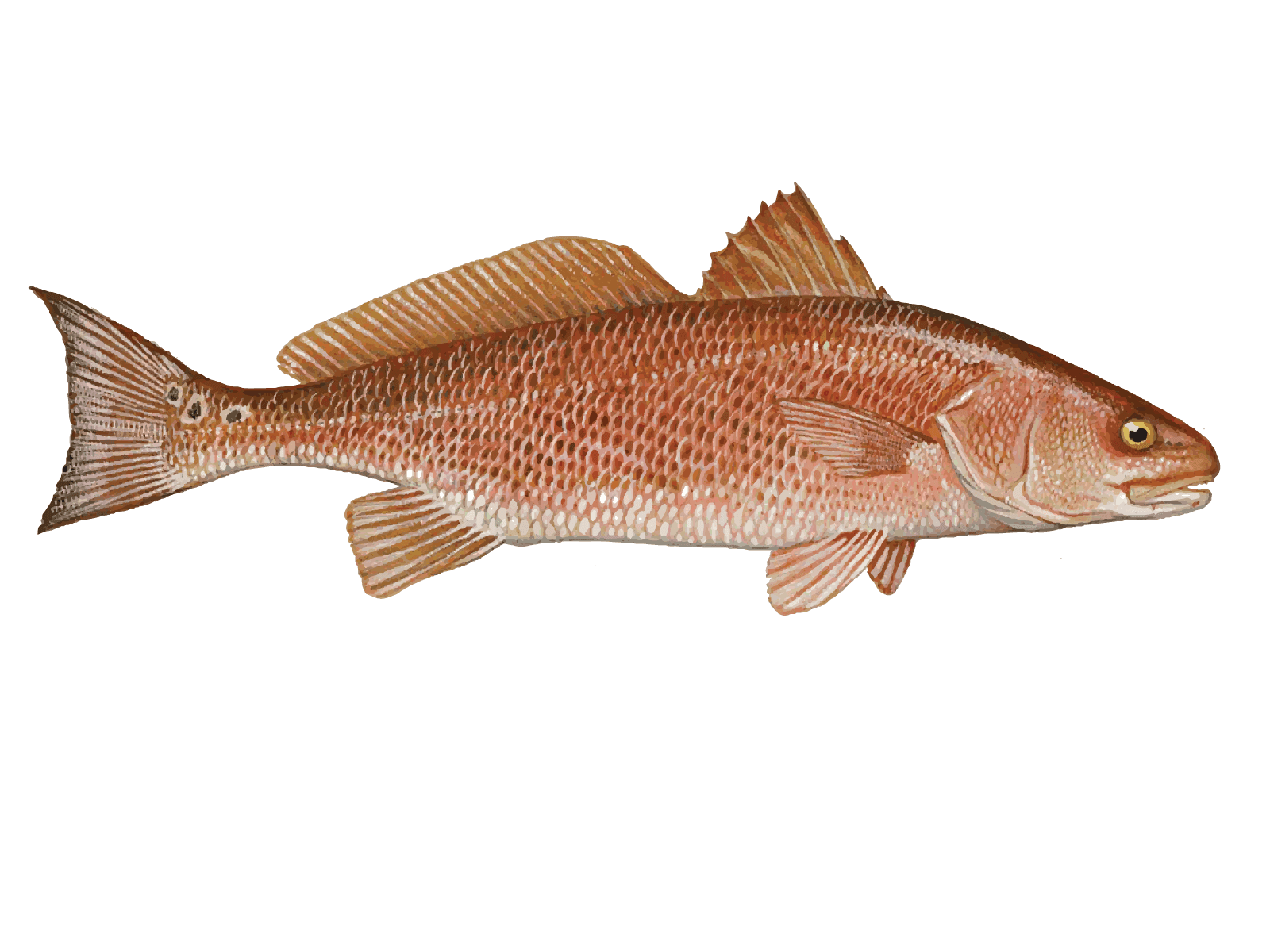
 Redfish
 Sea Trout
 Tarpon
- This 8-hour beginner fishing trip with Captain Justin is perfect if you've never held a rod before. You'll spend the day in Fort Myers' calm backwaters learning the basics while targeting Spotted Seatrout, Redfish, Mangrove Snapper, and Snook. Captain Justin takes his time teaching you how to cast, reel, and handle your catch without any pressure. The boat holds up to 3 people, so it stays personal and relaxed. You'll hit productive local spots where the fish are biting, and with 8 hours on the water, there's plenty of time to get comfortable with the gear and actually start catching fish. Just bring lunch and sunscreen
- everything else is provided.
Trip Pricing and Availabilities:
Full Day Beginner Fort Myers Fishing Trip
Looking to dip your toes into the world of Florida fishing? Captain Justin's full-day beginner trip with ThinLine Charters is hands-down the best way to get started in Fort Myers. This isn't your typical rushed charter where you're thrown a rod and expected to figure it out. We're talking about an 8-hour adventure through Fort Myers' legendary backwaters, where you'll learn everything from basic casting to properly handling your first catch. The calm, protected waters make this trip perfect for anyone who's never held a fishing rod before, and with just 3 guests max, you get the personal attention that makes all the difference between a good day and a great one.
What to Expect on the Water
Captain Justin knows these Fort Myers backwaters like the back of his hand, and he's got the patience of a saint when it comes to teaching newcomers. You'll start the day learning the basics – how to hold a rod, proper casting technique, and reading the water for signs of fish. The beauty of fishing Fort Myers' inshore waters is that you don't need to battle rough seas or complex deep-water techniques. These are productive, fish-rich flats and mangrove shorelines where Spotted Seatrout, Redfish, and Snook love to hang out. Captain Justin picks his spots based on tides, weather, and what's been biting lately, so you're always fishing where the action is hottest. The relaxed pace means there's no pressure – if it takes you a few tries to get your casting down, no problem. That's exactly what this trip is designed for.
Gear Setup & Fishing Methods
Forget about complicated tackle setups and confusing gear. Captain Justin provides all the rods, reels, and tackle you'll need, and everything is chosen specifically because it's beginner-friendly. We're talking about medium-action spinning rods that are forgiving when you're learning to cast, paired with reels that won't give you headaches. Most of your fishing will be done with live bait – shrimp, pinfish, and pilchards that the local species can't resist. You'll learn basic bottom fishing techniques for Mangrove Snapper, sight fishing for cruising Redfish in the shallows, and maybe even some topwater action if the Snook are cooperative. The key here is that Captain Justin matches the technique to your skill level. No complicated jigging or advanced presentations – just solid, productive methods that put fish in the boat while you're building confidence.
Species You'll Want to Hook
Grey Snapper, or Mangrove Snapper as we call them locally, are the perfect starter fish for beginners. These guys hang around dock pilings, mangrove roots, and rocky structure throughout Fort Myers' backwaters. They're not huge – most run 12 to 16 inches – but they fight harder than you'd expect and they're absolutely delicious. The best part? They're relatively easy to catch once you know where to look. Captain Justin will set you up with a simple bottom rig and fresh shrimp, and you'll be pulling them up in no time. They bite year-round here, but spring and fall are when they really turn on.
Tarpon might seem like an odd choice for a beginner trip, but hear me out. Fort Myers is famous for its juvenile tarpon, and these 20 to 40-pound fish are manageable on medium tackle while still giving you that "holy cow, I'm fighting a real fish" experience. They're most active during the warmer months, April through October, and they love the deeper holes and channels in our backwater systems. Captain Justin knows exactly where to find them, and watching a tarpon jump and shake its head trying to throw your hook is something you'll never forget. Don't worry – he'll be right there helping you fight it.
Sea Trout, specifically Spotted Seatrout, are probably the most reliable fish you'll encounter on this trip. These beautiful fish with their distinctive black spots are found throughout Fort Myers' grass flats and shallow bays. They average 14 to 18 inches, though bigger ones are always possible. What makes them perfect for beginners is their willingness to bite and their relatively gentle fight – you won't get your arms ripped off, but you'll definitely know you're connected to something. They're most active in cooler months, November through March, and they love live shrimp presented on a popping cork.
Redfish are the poster child of Florida inshore fishing, and for good reason. These copper-colored bruisers with the distinctive black spots are found year-round in Fort Myers' shallow flats and mangrove shorelines. Most of the ones you'll catch run 18 to 25 inches – perfect eating size and a blast to fight. What's really cool about Redfish is that you can often see them cruising in shallow water, especially during low tide periods. Captain Justin will teach you to spot their backs and tails as they feed, then help you present a bait in their path. It's as close to hunting as fishing gets, and it's addictive.
Cobia are the wild cards of this trip – you never know when one might show up, but when they do, it's game on. These brown, shark-looking fish are curious by nature and often swim right up to the boat to investigate. They're strong fighters that can reach 30 to 50 pounds in our waters, though smaller ones are more common. Spring and fall migrations bring the best Cobia action to Fort Myers, and they're often found following rays or just cruising the flats. Captain Justin always keeps a Cobia rod rigged and ready, just in case one decides to make an appearance.
Time to Book Your Spot
This full-day beginner trip with Captain Justin isn't just about catching fish – though you'll definitely do that. It's about learning the fundamentals of Florida inshore fishing from someone who lives an
Learn more about the animals
Cobia
Cobia are unique fish that often get mistaken for sharks due to their brown color and single dorsal fin. These are serious fish - adults average 30-50 pounds and can hit 6 feet long. Spring migration brings them through Fort Myers waters around reefs, buoys, and structure in 30-70 feet. What makes cobia special is their curious nature and excellent table fare - firm, white meat that's restaurant quality. They're usually loners, not schooling fish, so we sight fish for them on the surface. When hooked, they make powerful runs and fight hard all the way to the boat. They'll eat live bait, jigs, and even topwater lures. My favorite technique is bouncing a bucktail jig around structure - the weight doesn't matter as much as keeping it moving. These fish are aggressive feeders when they're hungry.
Grey Snapper
Grey Snapper, also called Mangrove Snapper, are perfect for beginners but still challenge experienced anglers. These copper-red fish typically run 1-3 pounds in our backwaters, though bigger ones lurk in deeper spots. You'll find them around docks, bridges, and mangrove structure where they ambush prey. They're opportunistic feeders that love live shrimp - hook it through the tail, not the head, so it stays lively longer. What makes them popular is their excellent eating quality with white, flaky meat. They can be finicky biters, so patience pays off. My tip: once your bait hits bottom, reel up just a foot to keep from getting snagged, then let it sit still. Too much movement spooks them. When you feel that tap, don't jerk - just start reeling steady to set the hook properly.
Redfish
Redfish are the bread and butter of our backwater fishing - copper-colored bruisers with distinctive black spots near their tails. Most run 18-27 inches and really pull hard when hooked. They love super shallow water, sometimes so shallow their backs stick out. Look for them around oyster bars, mangrove shorelines, and grass flats in 1-4 feet of water. Fall and winter are peak times when they school up in big numbers. What people love about reds is their aggressive strikes and bulldogging fight - they'll peel drag and make long runs. Plus they're excellent eating with sweet, firm meat. They're not picky eaters but love live shrimp, crabs, and cut bait. Pro tip: when sight fishing, cast well ahead of cruising fish and let your bait settle before they arrive. Reds spook if you splash down right on top of them.
Sea Trout
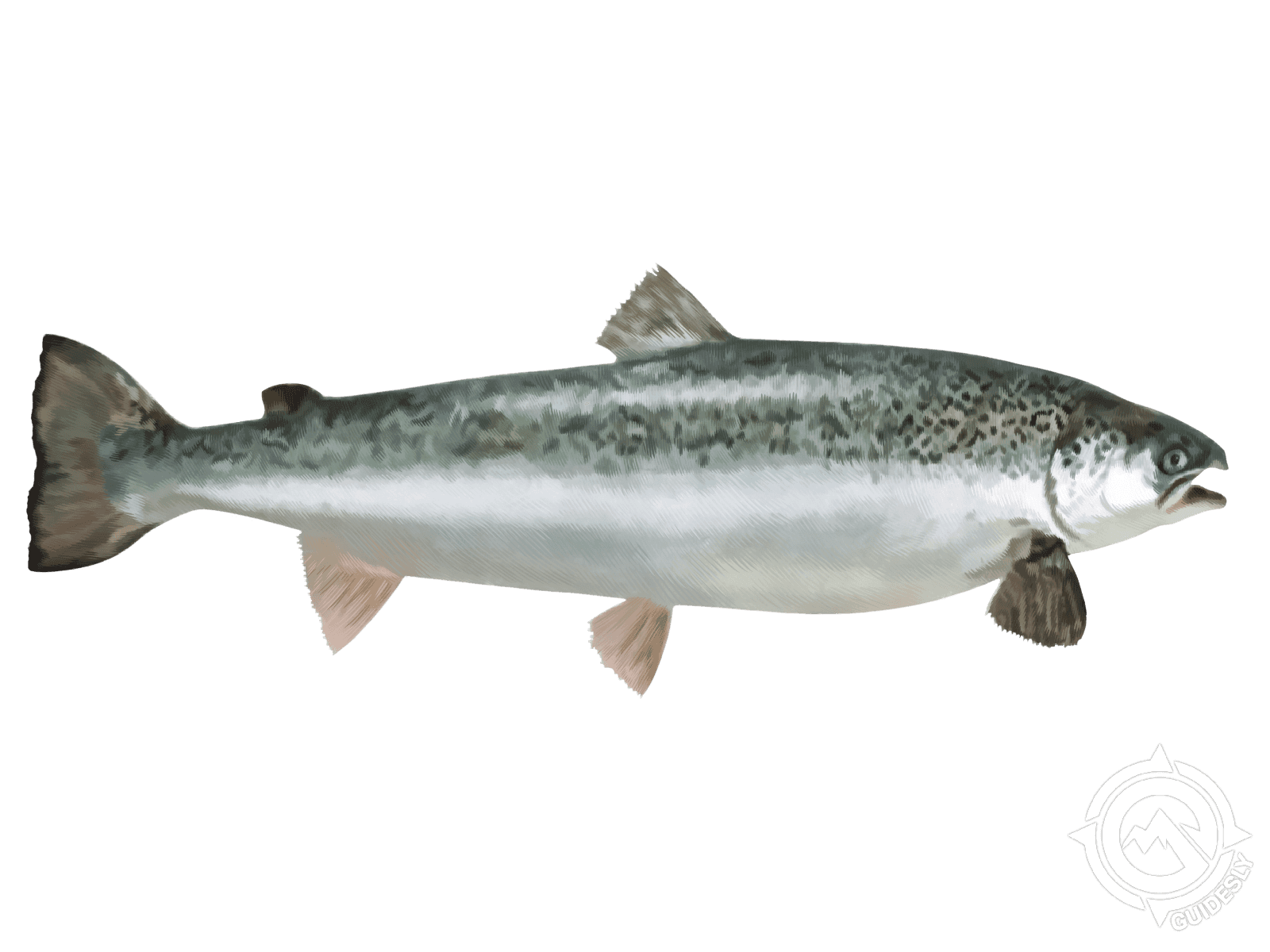
Spotted Seatrout are one of our most reliable targets, especially for new anglers. These silvery fish with distinctive black spots typically run 14-18 inches and 1-2 pounds in our grass flats. They love shallow water around 2-6 feet deep, especially near seagrass beds where they hunt shrimp and small baitfish. Best action happens during moving tides at dawn and dusk, though they bite throughout the day. What makes them great is their willingness to hit artificials and their excellent table fare - white, flaky meat that's not too fishy. They put up a decent fight with some head shakes but won't wear you out. My go-to technique is a popping cork with live shrimp about 18 inches below. The cork noise attracts them, and that natural shrimp drift gets strikes consistently.
Tarpon
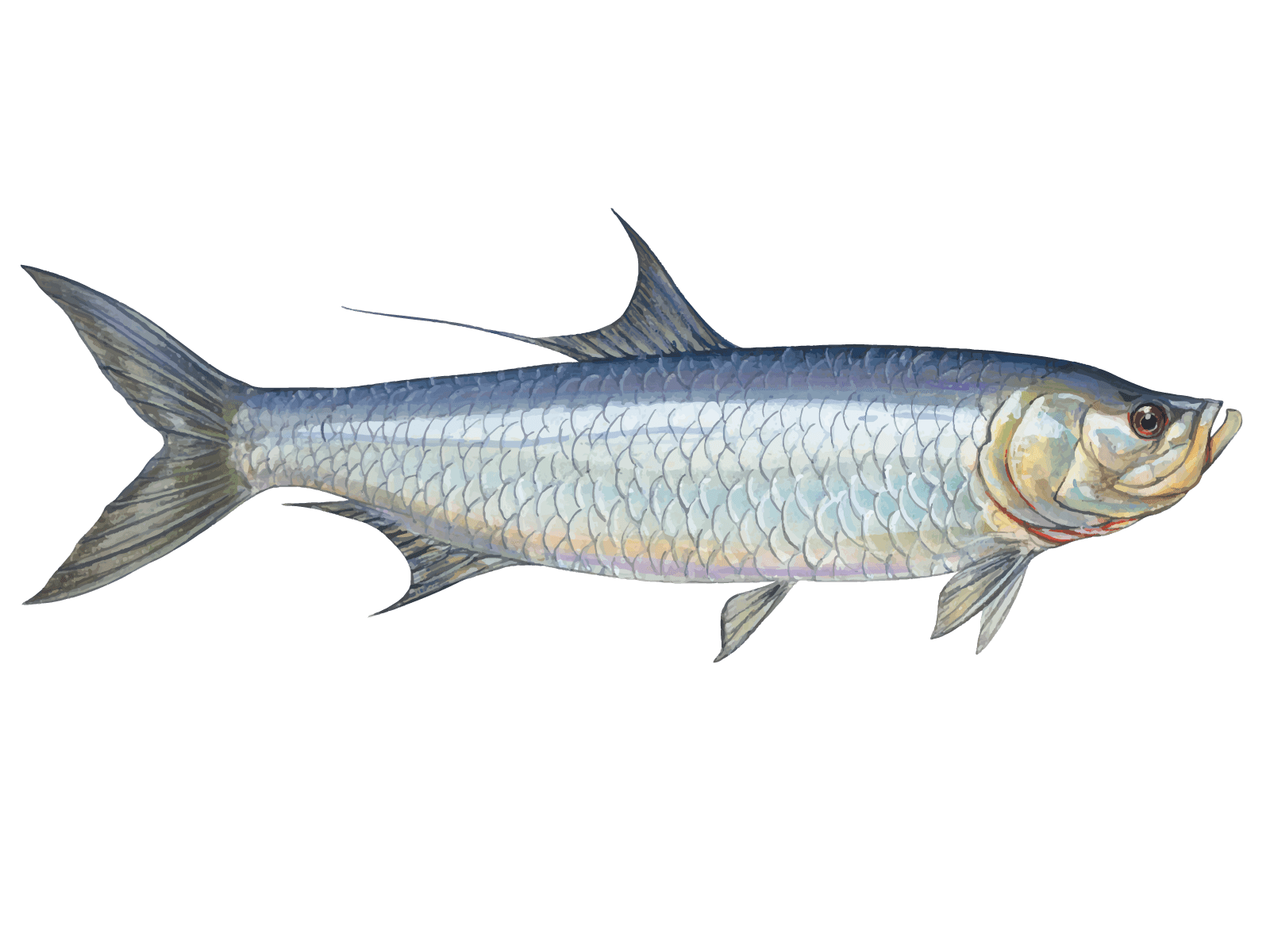
Tarpon are the silver kings of Florida waters - massive fish that can reach 6-8 feet and over 100 pounds, though most we see run 80-100 pounds. These prehistoric giants love shallow flats, bridges, and deeper channels throughout our area. Spring through summer is prime time when they migrate through Fort Myers waters. What gets people hooked is watching a 6-foot fish launch itself completely out of the water when hooked - pure adrenaline. They're catch-and-release only due to high mercury and bony meat, but the fight is what matters. These fish are smart and spook easily, so we use live bait like crabs or pinfish. Here's the key: when a tarpon jumps, bow to the fish by pointing your rod tip toward it. This gives slack and prevents the hook from popping out during those wild acrobatic shows.
About the ThinLine Charters
%2F%2Fusers%2F0c1ffb38-55e5-4c77-983c-5e388d675acb%2Fvehicle_picture%2Fimage12.png&w=1920&q=75)
Vehicle Guest Capacity: 3
Manufacturer Name: Mercury
Maximum Cruising Speed: 25
Number of Engines: 1
Horsepower per Engine: 300