%2Ffit-in%2F250x250%2Fguide_websites%2F15081%2Fimages%2F1714436165782240521356_108510024882777_2020056934511224397_n-removebg-preview.png&w=1920&q=100)
/users/0c1ffb38-55e5-4c77-983c-5e388d675acb/ratecard/527243376_18289538227268657_4828473899631105547_n-mmk7udbd.jpg)
%2F300x300%2Fusers%2F0c1ffb38-55e5-4c77-983c-5e388d675acb%2Fratecard%2F527243376_18289538227268657_4828473899631105547_n-mmk7udbd.jpg&w=256&q=75)
%2F300x300%2Fusers%2F0c1ffb38-55e5-4c77-983c-5e388d675acb%2Fimages%2Fsnook-fishing-fl-2465.jpg&w=256&q=75)
%2F300x300%2Fusers%2F0c1ffb38-55e5-4c77-983c-5e388d675acb%2Fimages%2Fsuperb-snook-catch-fort-myers-2508.jpg&w=256&q=75)
%2F300x300%2Fusers%2F0c1ffb38-55e5-4c77-983c-5e388d675acb%2Fimages%2Fsnook-fisherman-fl-2546.jpg&w=256&q=75)
%2F300x300%2Fusers%2F0c1ffb38-55e5-4c77-983c-5e388d675acb%2Fimages%2Fsnook-fish-caught-florida-2598.jpg&w=256&q=75)
%2F300x300%2Fusers%2F0c1ffb38-55e5-4c77-983c-5e388d675acb%2Fimages%2Fangler-fishing-fort-myers-2578.jpg&w=256&q=75)
%2F300x300%2Fusers%2F0c1ffb38-55e5-4c77-983c-5e388d675acb%2Fimages%2Fsnook-fish-fort-myers-2567.jpg&w=256&q=75)
%2F300x300%2Fusers%2F0c1ffb38-55e5-4c77-983c-5e388d675acb%2Fimages%2Fexcellent-catch-snook-redfish-fl-2666.jpg&w=256&q=75)
%2F300x300%2Fusers%2F0c1ffb38-55e5-4c77-983c-5e388d675acb%2Fimages%2Fredfish-caught-fort-myers-2566.jpg&w=256&q=75)
%2F300x300%2Fusers%2F0c1ffb38-55e5-4c77-983c-5e388d675acb%2Fimages%2Fredfish-fishing-frenzy-florida-2689.jpg&w=256&q=75)
%2F300x300%2Fusers%2F0c1ffb38-55e5-4c77-983c-5e388d675acb%2Fimages%2Fredfish-anglers-fort-myers-2590.jpg&w=256&q=75)
Fort Myers 6-Hour Inshore Fishing Adventure
 Fort Myers
What you will be catching:
 Cobia
Cobia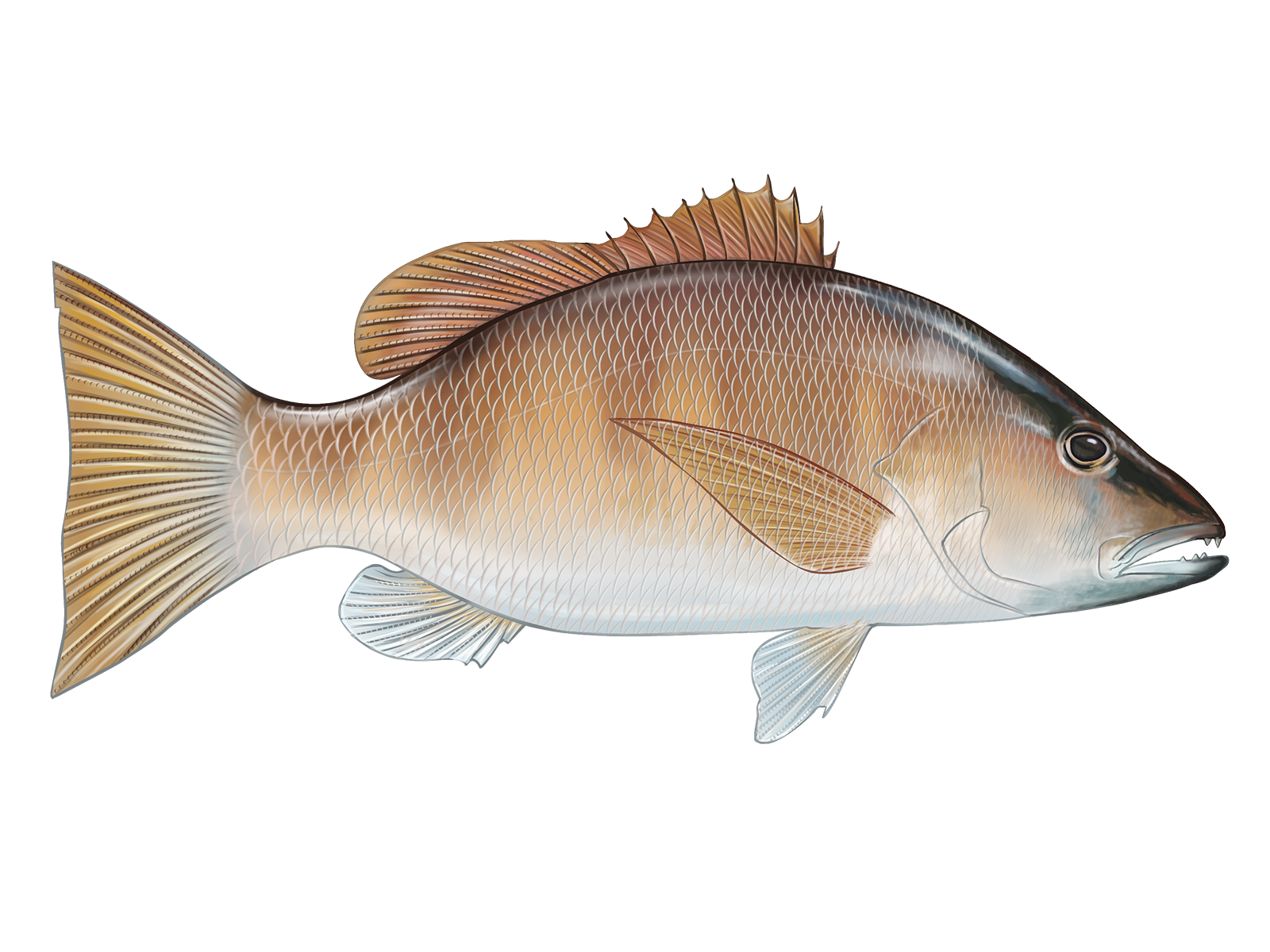 Grey Snapper
 Redfish
 Sea Trout
 Tarpon
- Captain Justin takes you on a solid 6-hour inshore fishing adventure through Fort Myers' productive backwaters. You'll target redfish, spotted seatrout, mangrove snapper, snook, and tarpon when they're around. With room for up to 3 guests, this trip gives you plenty of time to hit multiple spots without feeling rushed. Justin knows these waters well and will show you techniques that actually work. Whether you're new to fishing or have some experience, the pace works for everyone. Bring your own snacks and drinks, or just show up ready to fish. It's a good mix of action and downtime in some really scenic water.
Trip Pricing and Availabilities:
Extended Half Day Fishing Trip In Fort Myers
Captain Justin knows these Fort Myers backwaters like the back of his hand, and he's ready to show you why this 6-hour inshore trip has become a customer favorite among serious anglers. You'll spend quality time working the flats, grass beds, and mangrove shorelines where the fish actually live—not just passing through. This isn't a rushed morning or a marathon all-day grind. It's the sweet spot that gives you enough time to really get dialed in on different species while still having energy left to enjoy your catches. Whether you're a weekend warrior or someone who's been chasing fish for decades, this trip delivers the kind of action that keeps you coming back.
What to Expect on the Water
Your day starts in the renowned backwater systems that make Fort Myers a top-rated inshore destination. Captain Justin runs a clean operation with space for up to three anglers, so you're not fighting for elbow room or competing with a crowd. The boat moves between productive spots based on tides, weather, and what's been biting recently. You might start the morning working shallow flats for redfish, then shift to deeper grass beds for trout as conditions change. The beauty of a 6-hour window is having time to adjust and adapt—if one area isn't producing, there's plenty of day left to find the action. You'll cover water most tourists never see, hitting spots that only local guides know about. Pack your own snacks and drinks since meals aren't included, but that just means more cooler space for your catch.
Techniques and Prime Terrain
Fort Myers inshore fishing is all about reading the water and matching your approach to what the fish want. Captain Justin brings the tackle, but the real skill is knowing when to throw live bait versus artificials, when to work the edges versus the middle of a flat, and how to present your offering so it looks natural. You'll fish everything from shallow oyster bars where redfish cruise in two feet of water to deeper mangrove cuts where snook ambush prey. The techniques vary throughout the day—sight fishing when conditions allow, blind casting structure when fish are holding tight, and working the current breaks where baitfish stack up. This isn't about one-size-fits-all fishing. It's about adapting your game to what's happening right now, in real time, based on decades of local knowledge.
Species You'll Want to Hook
Grey Snapper around Fort Myers are scrappy fighters that love structure and will test your drag system. These fish hang around mangrove roots, docks, and oyster bars, typically running 12-16 inches but occasionally surprising you with a real chunk pushing 20 inches. They bite year-round but get more aggressive during warmer months when baitfish are thick. What makes snapper so addictive is their attitude—they'll slam a bait hard, then immediately try to cut you off on the nearest piling. It's pure reflex fishing that keeps you sharp.
Tarpon are the ultimate inshore prize when they're in season, usually showing up in good numbers from late spring through early fall. These silver kings can range from juvenile fish in the 20-30 pound class to monsters exceeding 100 pounds. They're acrobatic, powerful, and absolutely relentless once hooked. Fort Myers tarpon often hang in deeper channels and around bridges where current brings them food. The fight is legendary—multiple jumps, long runs, and enough power to make your arms burn. Even a smaller tarpon will give you a workout you won't forget.
Sea Trout are the bread and butter of Fort Myers grass flats, with good fish running 14-18 inches and the occasional gator trout hitting 20-plus. They school up over sandy bottoms mixed with grass, especially where there's some current flow. Spring and fall are prime times, but you can catch trout year-round if you know where to look. They're excellent table fare and aggressive biters that respond well to both live bait and artificials. The key is working them with a subtle presentation—trout spook easily but bite with authority once they commit.
Redfish are the backbone of Southwest Florida inshore fishing, and Fort Myers has world-class populations. These copper-colored bruisers average 18-24 inches but can push 30 inches or more in local waters. They're year-round residents that cruise shallow flats, especially during moving tides. Reds are sight-fishing favorites because they often feed in skinny water where you can watch them work. They're strong, stubborn fighters that make blistering runs and use their broad sides to stay deep. The thrill of watching a red's back out of the water as it tails in two feet of water never gets old.
Cobia are the wildcards of this fishery—not always around, but absolutely worth the wait when they show up. These brown sharks (as some folks call them) can exceed 30 pounds and fight like freight trains. They're curious fish that often follow rays and other cobia, making them prime candidates for sight fishing. Spring migration brings the best cobia action to Fort Myers, but scattered fish show up throughout warmer months. They're excellent eating and put up the kind of fight that makes your knees shake. When you see that distinctive brown torpedo cruising the flats, everything else takes a backseat.
Time to Book Your Spot
This extended half-day trip with Captain Justin delivers exactly what serious anglers want—enough time to fish properly without burning a whole day on the water. You get professional guidance, local expertise, and access to productive waters that produce consistent action on multiple species. The 6-hour format lets you experience different techniques and locations while targeting some of the best inshore species Southwest Florida has to offer. Whether you're looking to put dinner on the table or just want to feel that rod bend with a quality fish, this trip delivers the goods. Fort Myers inshore fishing doesn't get much better than this, and Captain Justin's track record speaks for itself. Don't wait around hoping
Learn more about the species
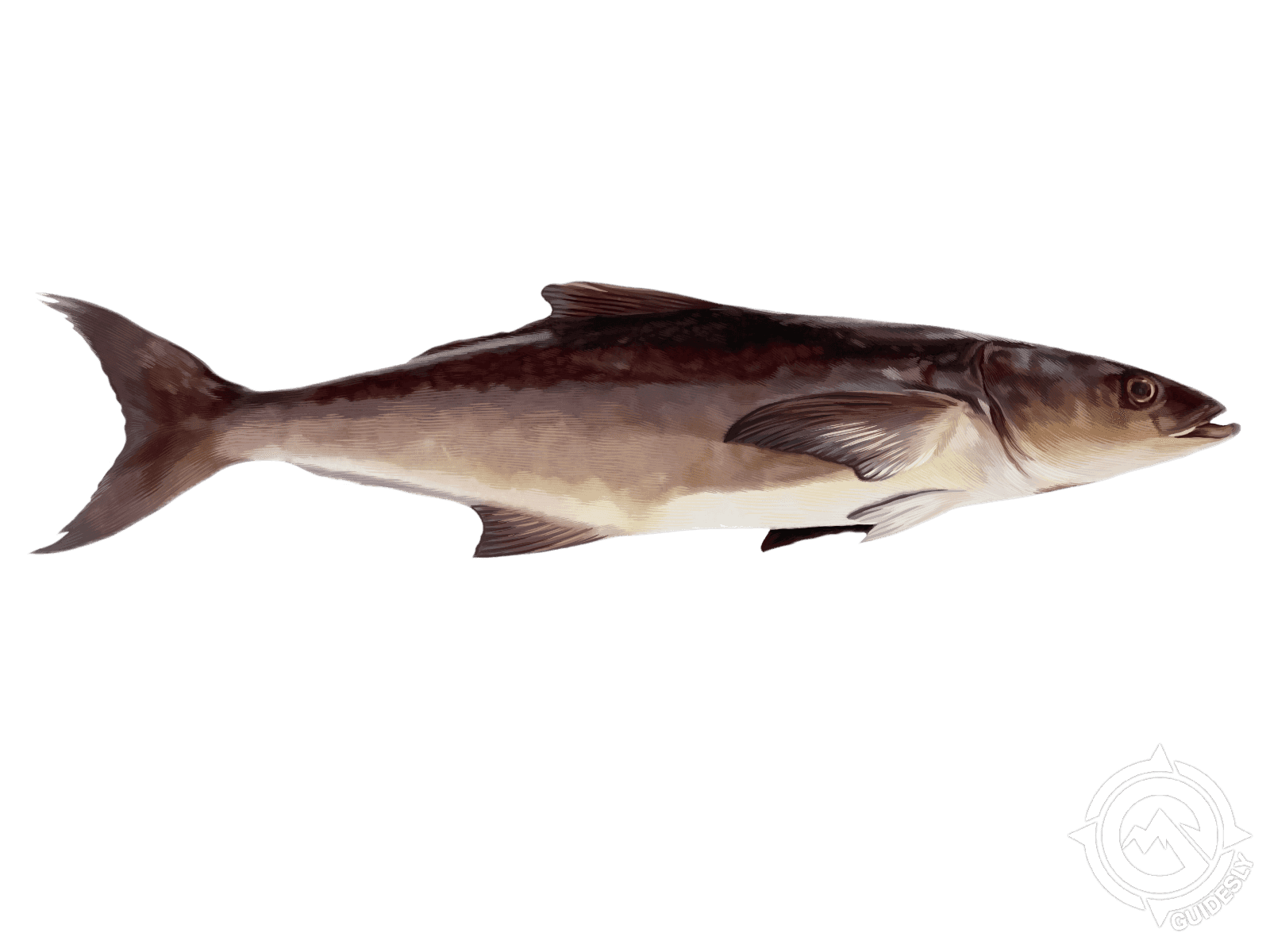
Cobia
Cobia are the loners of the fishing world, but when you find one, you're in for a treat. These brown, shark-looking fish average 20-40 pounds and can stretch 4-5 feet long. Around Fort Myers, we spot them cruising near channel markers, crab traps, and rays in 15-50 feet during spring and summer months. What makes cobia exciting is their curiosity—they'll often swim right up to the boat to investigate. Plus, they're fantastic eating with firm, white meat that rivals any fish. We sight-fish them with live bait or bucktail jigs. The secret is making a good first cast since they spook easily after one bad presentation. Drop your bait right in front of them and be ready—when they eat, they eat hard and head straight for structure.
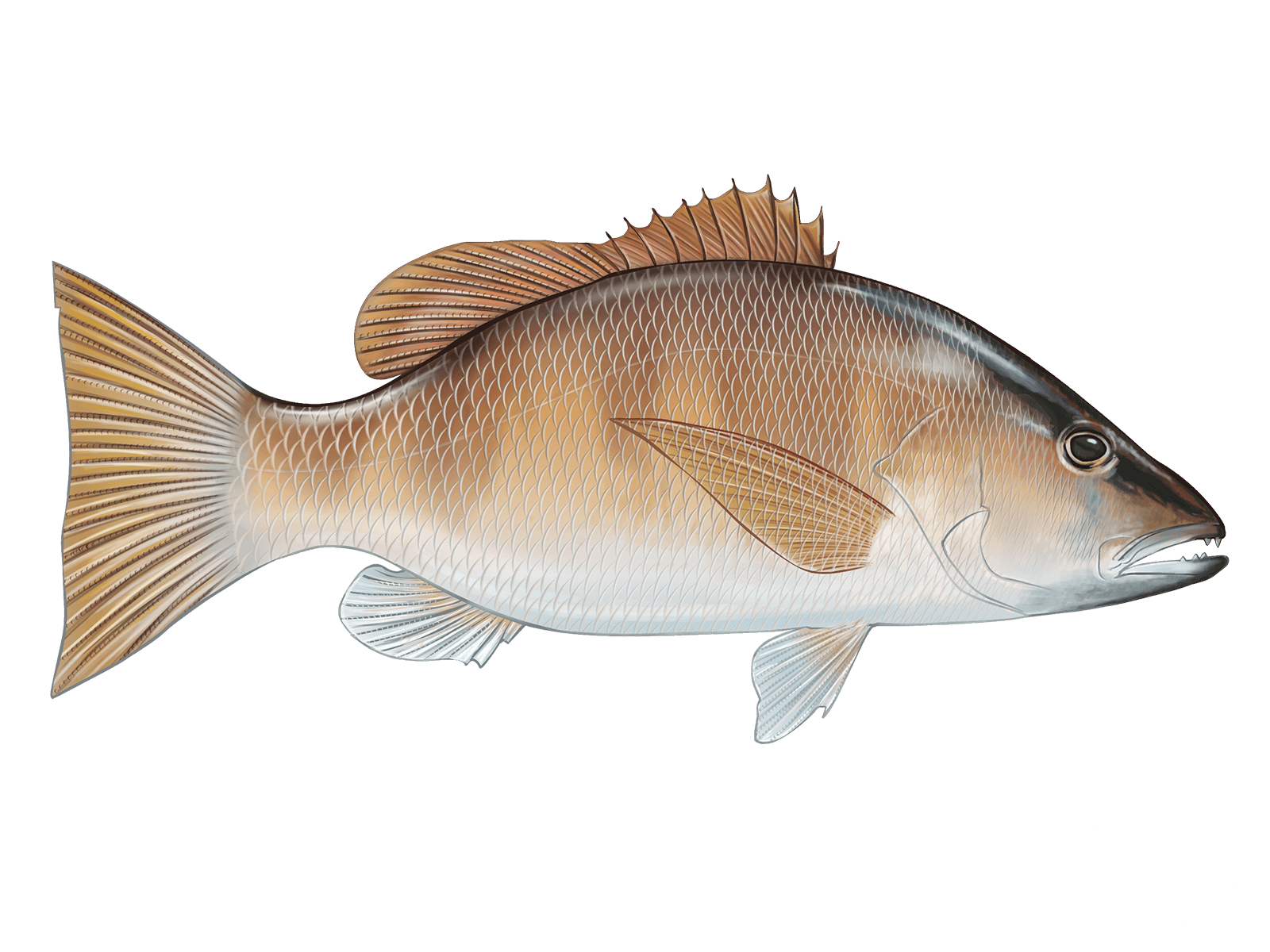
Grey Snapper
Grey Snapper, also called Mangrove Snapper, are smart fish that hang around docks, bridges, and mangrove structure in 10-30 feet of water. They average 1-3 pounds but can reach 8+ pounds in deeper water. These copper-red fish with the dark eye stripe are active year-round in Fort Myers, but fish best on moving tides at dawn and dusk. Guests love them for their excellent white, flaky meat and the challenge they present—they're picky eaters that test your patience. The key is using light tackle with live shrimp hooked through the tail, letting it sit still near the bottom. Too much movement spooks them, so once your bait hits bottom, reel up just enough to avoid snags and wait for that subtle tap.
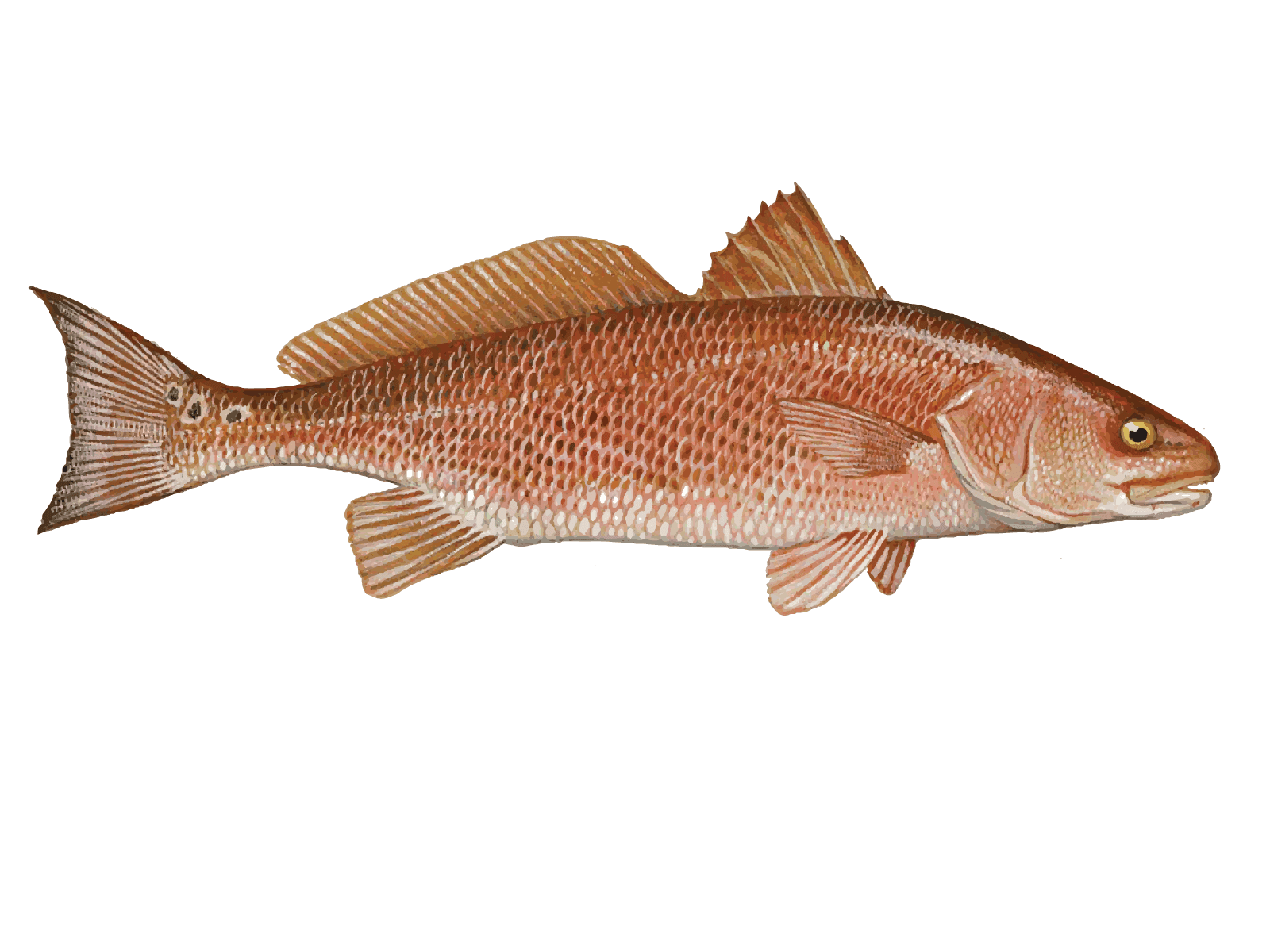
Redfish
Redfish are the bread and butter of Fort Myers inshore fishing. These copper-colored bruisers with the distinctive black spot near their tail typically run 18-30 inches and pull hard when hooked. They cruise shallow flats, oyster bars, and mangrove shorelines in just 1-4 feet of water—sometimes so shallow their backs show. Year-round fish here, but fall and spring offer the best action when they school up. Guests love reds because they're aggressive feeders, great fighters, and excellent eating with mild, sweet meat. They'll hit live shrimp, crabs, cut bait, or artificials like gold spoons and topwater plugs. Pro tip: look for "tailing" reds with their tails sticking up while they root for crabs. Approach quietly and cast ahead of where they're moving.
Sea Trout
Spotted Seatrout are perfect for newcomers but fun for everyone. These silvery fish with black spots usually run 1-3 pounds, though we occasionally see 5+ pounders. They love grass flats and shallow bays around Fort Myers, especially in 2-6 feet of water near drop-offs. Best fishing happens spring through fall, particularly on overcast days or early morning when they're feeding actively. Guests enjoy them because they bite readily, fight well for their size, and make outstanding table fare with sweet, flaky white meat. They hit live shrimp, soft plastics, and topwater plugs. My go-to tip: work a white or pink jig head with a shrimp tail slowly over the grass. Let it flutter down naturally—that's when they strike.
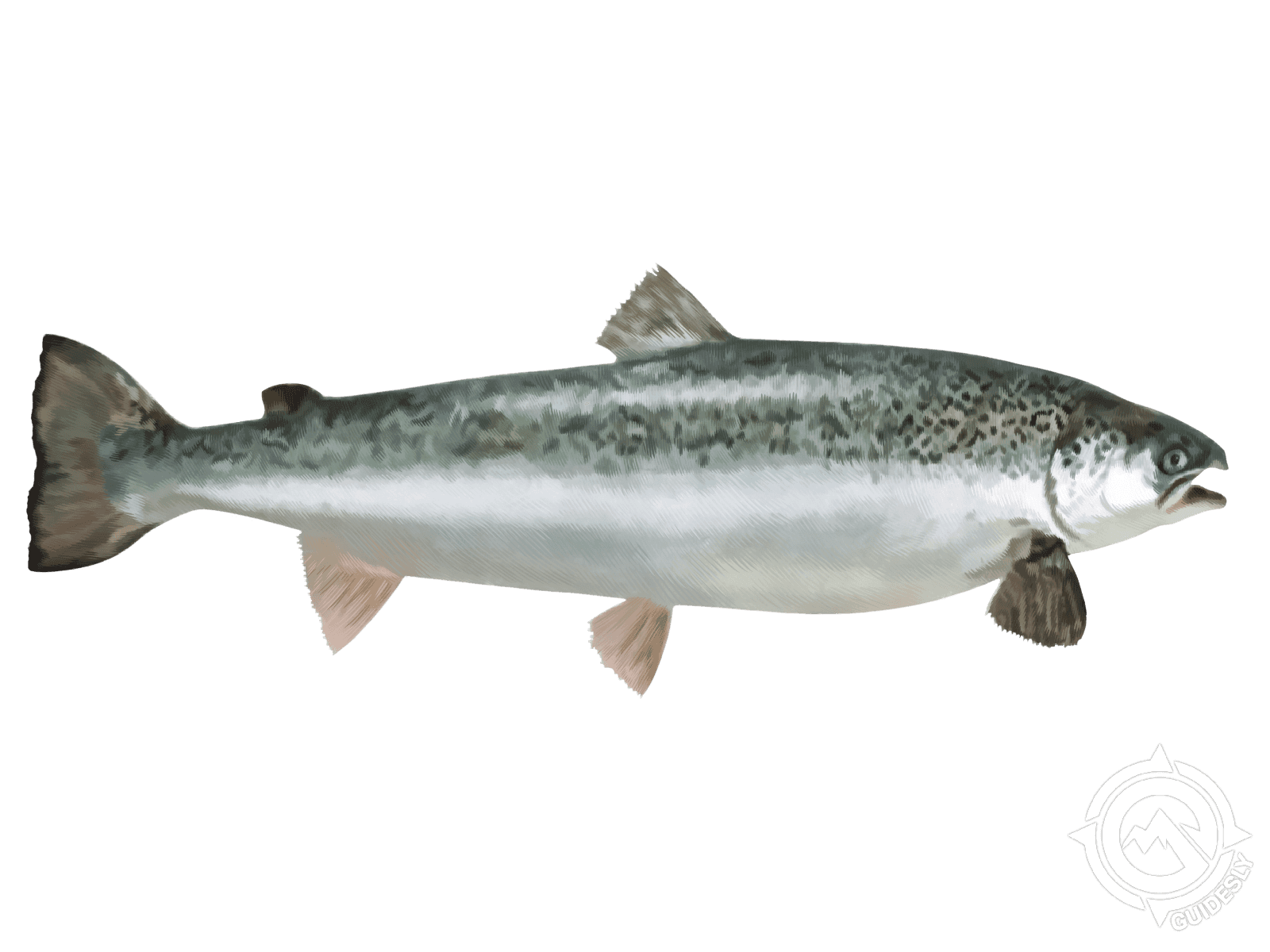
Tarpon
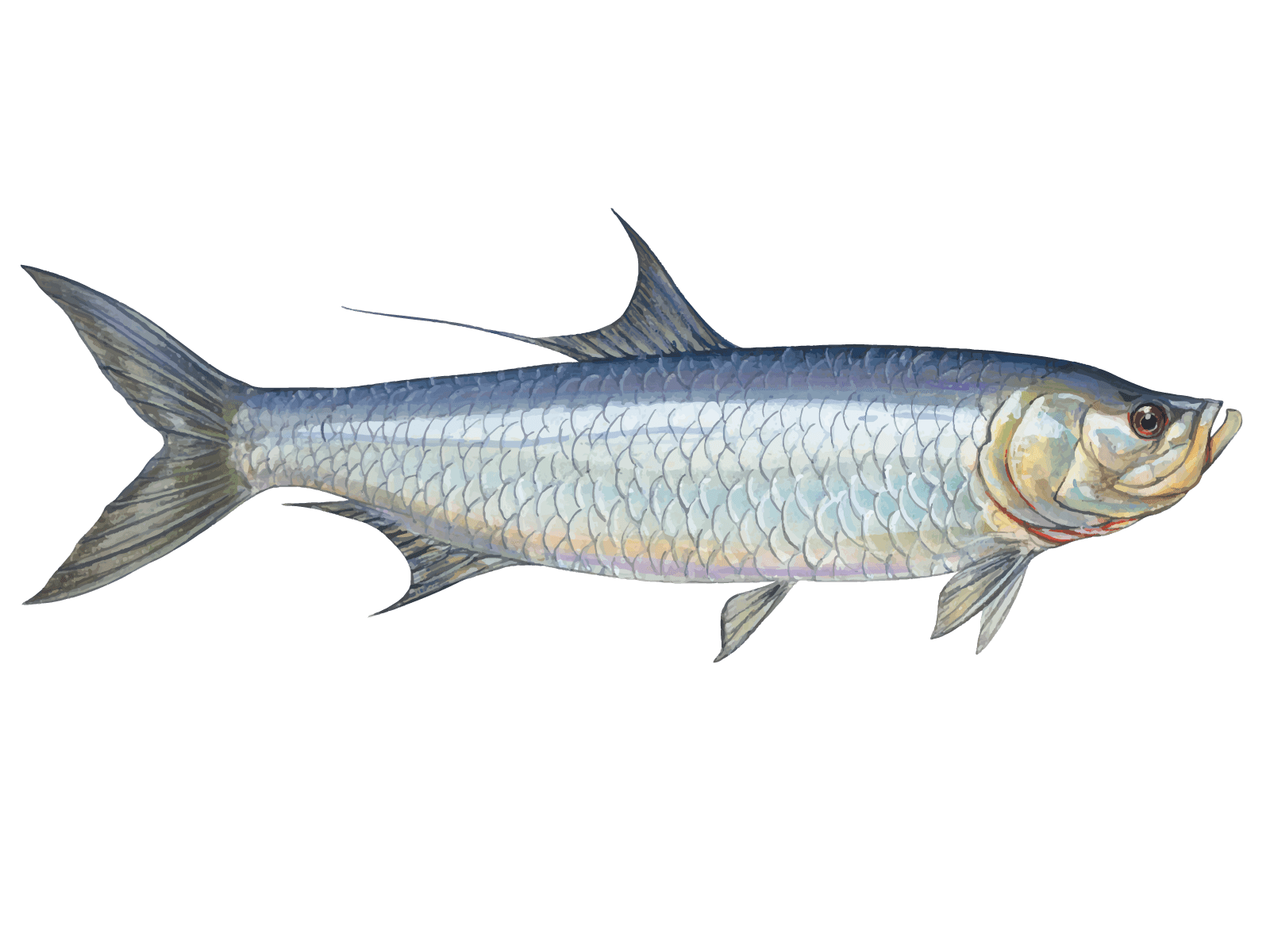
The Silver King is what serious anglers dream about. These prehistoric giants average 80-150 pounds and can hit 6+ feet long, living up to 50 years. You'll find them rolling in channels, around bridges, and over grass flats in 4-20 feet during their spring through fall season here in Fort Myers. What makes tarpon special isn't the eating—most folks release them—it's the fight. When hooked, they'll jump clean out of the water multiple times, testing every piece of your gear. We target them with live crabs, pinfish, or mullet on 20-30 pound tackle. The trick is staying calm during those jumps. Keep your rod tip low and don't try to horse them in. Let them run and tire themselves out. One good tarpon will give you stories for years.
About the ThinLine Charters
%2F%2Fusers%2F0c1ffb38-55e5-4c77-983c-5e388d675acb%2Fvehicle_picture%2Fimage12.png&w=1920&q=75)
Vehicle Guest Capacity: 3
Manufacturer Name: Mercury
Maximum Cruising Speed: 25
Number of Engines: 1
Horsepower per Engine: 300